


























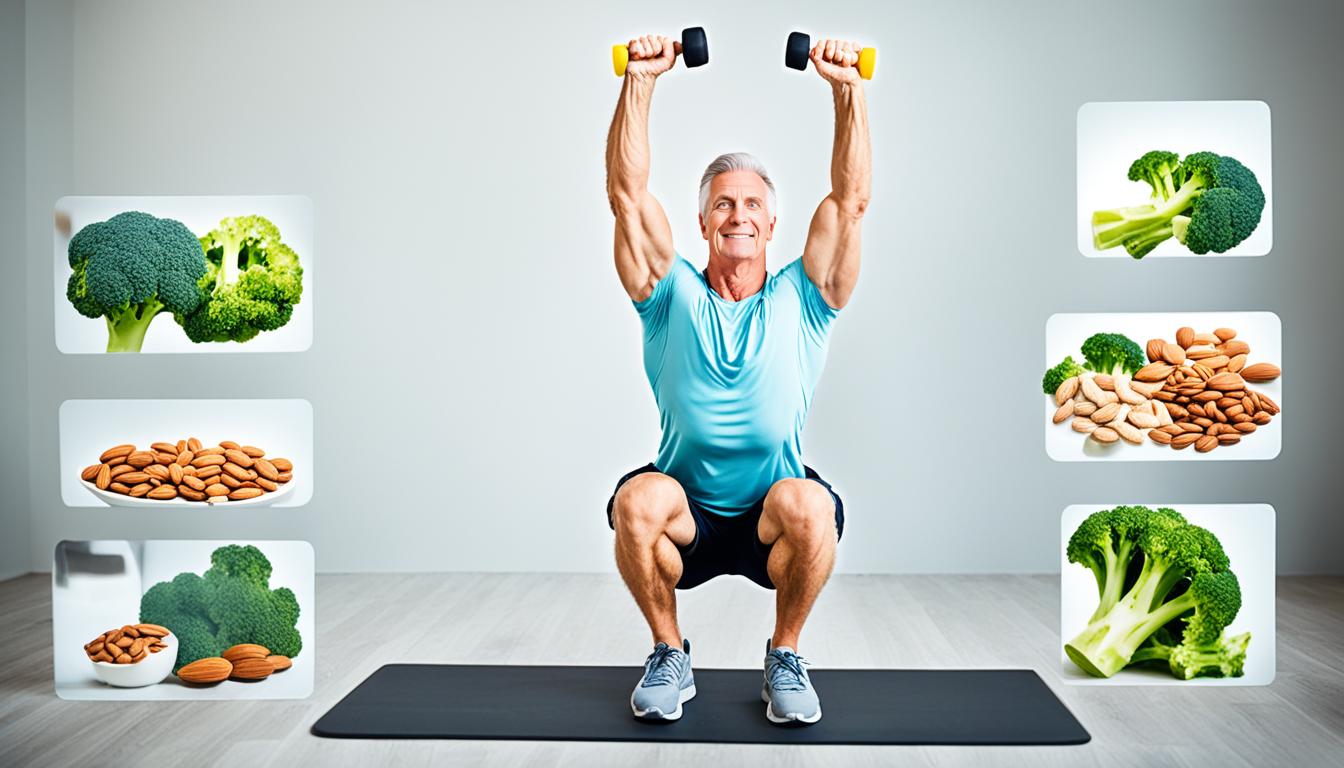
Keeping our bones strong is key to our health. As we get older, our bones can weaken and become more likely to break. This can lead to serious problems like osteoporosis. Luckily, we can take steps to keep our bones healthy and strong.
This guide will cover why bone health matters, the nutrients and exercises that help bones, and how our lifestyle affects bone density. By learning about bone health, you can take steps to keep your bones strong and healthy.
If you want to prevent osteoporosis, boost your bone health, or just keep your bones strong, this article has what you need. It will give you the tools and knowledge to take care of your bones. Let’s start learning how to keep your bones healthy for a life full of mobility and energy.
Understanding the Importance of Bone Health
Bones are key to our health, playing a big role in our well-being. They give us a strong skeleton and protect our vital organs. Keeping bones healthy is key for a good life.
The Role of Bones in Our Bodies
Bones do many important things for us every day. They help carry our weight, let us move, and help us do sports. They also store important minerals like calcium and phosphorus for strong teeth and bones.
Common Bone-Related Conditions
Our bones can face many health issues that affect how they work and look. Osteoporosis makes bones weak and can cause more bone breaks, especially in older people. Arthritis causes pain, stiffness, and makes moving hard.
Other diseases like bone cancer and Paget’s disease can really change someone’s life. Knowing about these conditions and their causes helps keep bones healthy and avoid problems.
Calcium: The Building Block of Strong Bones
Calcium is key for strong, healthy bones. It helps form and make our bones dense. Getting enough calcium from food is important for bone growth and avoiding bone diseases like osteoporosis.
Dietary Sources of Calcium
There are many foods rich in calcium to help you get what you need. Dairy items like milk, yogurt, and cheese are great for bones. They often have more calcium added, making them easy to absorb.
But there’s more than dairy. Leafy greens like kale, spinach, and broccoli are full of calcium. You can add them to many meals. Nuts, seeds, and some fish, such as sardines and salmon, also have a lot of calcium.
Eating a variety of these calcium-rich foods helps you meet your daily needs. This way, you give your bones the right building blocks for staying healthy and strong.
Vitamin D: The Key to Calcium Absorption
Keeping our bones strong is key to our health. Vitamin D is a vital nutrient that helps our bodies use calcium. Calcium is crucial for building and keeping our bones strong.
Vitamin D and calcium are a great team for bone health. Vitamin D makes sure our bodies use calcium well. Without enough vitamin D, our bodies can’t absorb calcium properly. This can lead to weak bones and a higher chance of breaking them.
The sun gives us most of our vitamin D by making vitamin D in our skin. But, where you live, the time of year, your skin color, and using sunscreen can change how much vitamin D you get. If you don’t get enough sun, eating foods like fatty fish, egg yolks, and fortified foods can help.

If you can’t get enough vitamin D from food and the sun, supplements might be needed. Vitamin D and calcium work together to make our bones strong and healthy. This helps us have strong bones for our whole lives.
Weight-Bearing Exercises for Bone Density
Keeping your bones strong is key to your health. Weight-bearing exercises are a big help in this. They make your bones grow stronger by putting stress on them. Adding these exercises to your routine can make your bones denser and lower the risk of osteoporosis.
Low-Impact Weight-Bearing Activities
Low-impact exercises are perfect for boosting bone health. Walking, hiking, and dancing can stress your bones without hurting your joints. They’re great for beginners or those with joint issues, building a strong base for more intense activities.
High-Impact Weight-Bearing Activities
For more intense bone strengthening, try high-impact exercises. Running, jumping rope, and box jumps can really boost bone density. These exercises are best for those who are fit and want to push their bone strength even further.
Adding both low-impact and high-impact exercises to your routine is good for your bones, no matter your fitness level or age. Regularly doing these workouts can help keep your bones healthy and even make them stronger. This proactive approach supports your overall health and lowers the risk of bone problems as you age.
The Role of Health in Bone Maintenance
Your overall health and lifestyle choices greatly affect your bone health. Factors like hormonal balance and chronic conditions play a big role. Knowing these can help you take better care of your bones.
Hormonal changes during menopause or andropause can make bones weaker. Conditions like diabetes, rheumatoid arthritis, and thyroid issues can also harm bone health. Some medicines, such as corticosteroids and cancer treatments, can hurt bones too.
Working with your healthcare provider is key to keeping your bones strong. They can spot issues with your bones or medicines. Eating well, exercising regularly, and managing stress also help keep bones strong.
Knowing how your health, lifestyle, and conditions affect your bones helps you act early. Taking care of your overall health is vital for strong bones. This approach can prevent problems like osteoporosis later on.
Lifestyle Factors Affecting Bone Health
Keeping bones strong is key to good health. Some lifestyle choices can really hurt bone health. Smoking and drinking too much alcohol are two big culprits.
Smoking and Bone Health
Smoking hurts bone density and raises the risk of osteoporosis. Cigarette smoke chemicals mess with how the body uses nutrients like calcium and vitamin D. These nutrients are vital for bones. Smoking also slows down the creation of new bone cells, causing bones to get weaker over time.
Alcohol Consumption and Bone Health
Drinking too much alcohol is bad for bones too. It messes with hormones that control bone health. This can lead to less bone formation and more breakdown. So, bones get weaker and the risk of osteoporosis goes up, especially with long-term heavy drinking.
Choosing to quit smoking and drink less can really help bones stay strong. By doing this and adding other bone-healthy habits, people can fight against osteoporosis. This keeps bones strong and healthy.

Bone Health and Aging: Preventing Osteoporosis
As we get older, our bones become more fragile and can break easily. Osteoporosis is a bone disease that makes bones weak. It’s important to keep our bones strong to avoid osteoporosis and other bone problems.
Risk Factors for Osteoporosis
Many things can make us more likely to get osteoporosis as we age. Women are more at risk than men after menopause because of hormonal changes. Our genes and family history also matter, as some people are more likely to get it. Conditions like rheumatoid arthritis, thyroid issues, and stomach diseases can also increase the risk.
Being inactive, eating poorly, and smoking can also raise the risk. Some medicines, like corticosteroids, can harm bone health over time.
Knowing these risks helps us take steps to keep our bones strong. By living a healthy life, doing exercises that make us stand up, and eating foods with calcium and vitamin D, we can lower our risk of osteoporosis.
Supplements for Bone Support
A balanced diet is key for strong bones. But sometimes, supplements can help support bone health. Calcium and vitamin D supplements are great for those who don’t get enough from food.
Calcium Supplements
Calcium is vital for our bones. Adults need about 1,000-1,200 mg of calcium daily. Many older adults can’t get enough from food. Calcium supplements can help fill this gap.
Look for calcium supplements with calcium citrate or carbonate. These are easy for the body to absorb. Make sure it also has vitamin D. Aim for a supplement with 500-600 mg of calcium per serving, taken with meals.
Vitamin D Supplements
Vitamin D helps the body use calcium. Without enough vitamin D, bones can’t absorb calcium well. This increases the risk of osteoporosis. Adults need 600-800 IU of vitamin D daily.
Choose a vitamin D supplement with 1,000-2,000 IU per serving. Talk to your healthcare provider to find the right dosage for you.
Supplements are great, but they shouldn’t replace a healthy diet and exercise. A good approach includes eating well, staying active, and using supplements. This helps keep bones strong and lowers the risk of osteoporosis.
Maintaining Bone Health: A Lifelong Commitment
Taking care of your bones is a journey that lasts a lifetime. The steps you take at different ages can greatly affect your bone health. It’s key to focus on bone health from the start of your life to the end. By doing so, you can keep your bones strong and healthy.
Starting bone care early, in childhood, is crucial. At this stage, you’re building the foundation for strong bones. Make sure kids get enough calcium, vitamin D, and engage in weight-bearing exercises. This helps them develop a strong skeleton that will last a lifetime.
As you get older, keeping your bones healthy is more important than ever. Bone loss speeds up, especially in women after menopause, raising the risk of osteoporosis and breaking bones easily. To fight this, stick to regular weight-bearing exercises, eat foods full of nutrients for bones, and consider supplements. These steps can help slow down bone loss and keep your bones strong for life.
Looking after your bone health is a lifelong effort that needs careful attention. By always putting bone health first, you can manage your bones well. This way, you can have the advantage of strong, healthy bones all through your life.
Seeking Professional Advice for Bone Health
This guide gives a good start on understanding bone health. But, it’s key to work with healthcare providers for your specific needs. They are crucial in checking your bone health, finding any issues, and making a plan for your bones.
Your main doctor is a great first step for checking your bone health. They can do tests to measure your bone density and look for osteoporosis. If needed, they might send you to specialists like endocrinologists or rheumatologists who know a lot about bone health.
Nutritionists and dietitians are also great to work with for bone health. They can help you eat foods full of calcium, vitamin D, and other nutrients good for bones. They might also suggest supplements if you’re not getting enough nutrients from food.
Seeing your healthcare team regularly, including tests for osteoporosis, can catch bone health changes early. You and your team can make a plan to keep your bones strong and healthy. This can help stop or slow down serious bone problems like osteoporosis.
By working with your healthcare providers, you can take steps now to protect your bone health. This way, your bones can stay strong and healthy for many years.
Conclusion: Taking Action for Stronger Bones
Taking steps now to improve your bone health is key for your overall health. By following the tips in this article, you can keep your bones strong and healthy for life. This includes getting enough calcium and vitamin D, doing exercises that make you use your bones, and changing your lifestyle habits.
Your bone health is a journey that lasts a lifetime. With the right steps, you can have a strong skeleton and lower your risk of bone problems like osteoporosis. Start now to focus on your bone health for a better future.
This article has given you the info and advice you need to improve your bone health. Start today and let your dedication to strong bones lead you to a more lively and active life.