























In elite athletics, every second and ounce of strength matters. More professional athletes are choosing a plant-based diet for a competitive edge. This choice has sparked interest in the plant-based diet‘s benefits for athletic performance.
The plant-based movement is growing. It shows that this nutrition approach can boost an athlete’s physical abilities.
Runners and power lifters from various disciplines are seeing the benefits of a plant-based diet. They report more energy, faster recovery, and better performance. They also enjoy the health perks of eating whole, plant-based foods.
Research is showing that plant-based diets are good for athletic performance. Athletes can improve their physical abilities by understanding a plant-based diet‘s nutritional benefits.
Understanding Plant-Based Diets
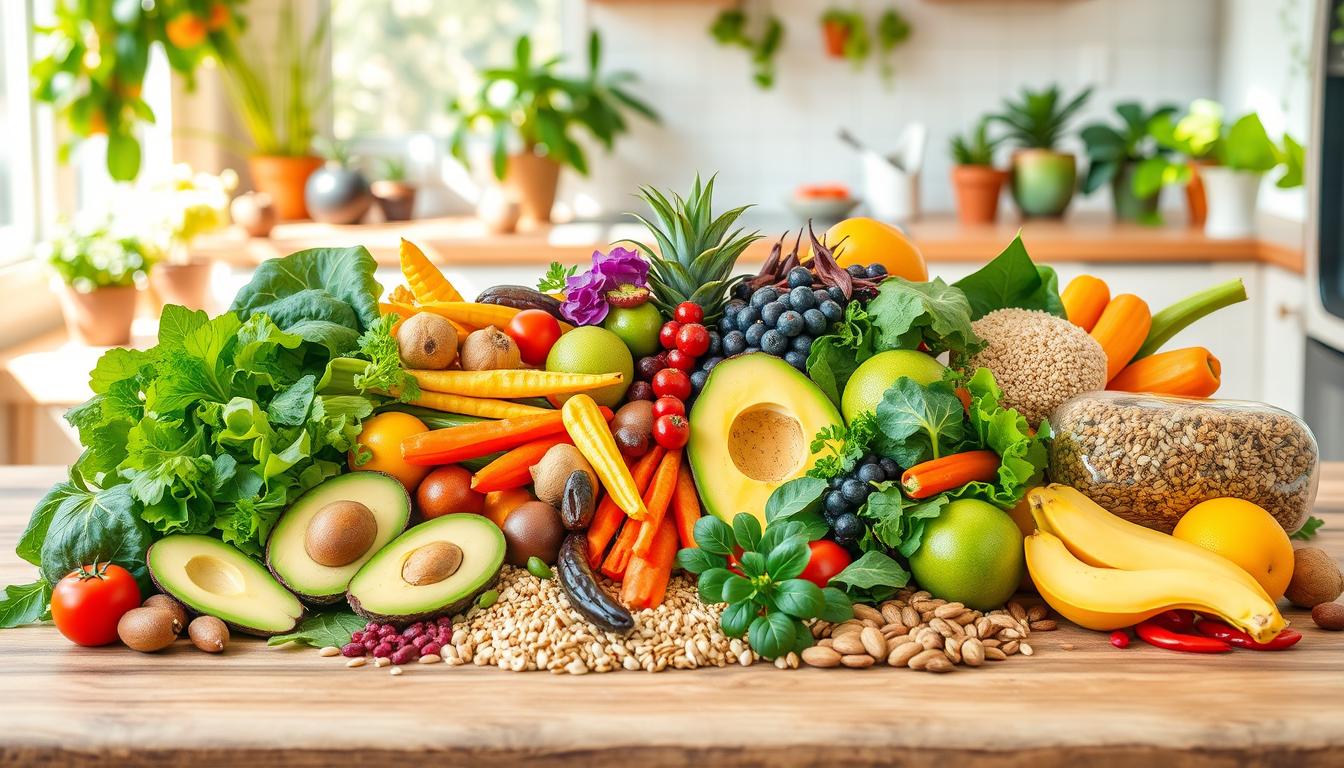
Whole Foods, Vegetarianism, and Sustainable Eating are key to plant-based diets. This diet focuses on eating whole, unprocessed foods from plants. Foods like fruits, vegetables, legumes, nuts, and seeds are at the center. It’s good for your health and the planet.
What is a Plant-Based Diet?
A plant-based diet is all about eating whole, plant-based foods. You focus on fruits, vegetables, whole grains, legumes, nuts, and seeds. It’s different from vegan or vegetarian diets because it allows for small amounts of animal products.
Key Components of Plant-Based Eating
Plant-based diets are rich in whole, nutrient-dense foods. You eat a variety of fruits and vegetables, whole grains, legumes, and healthy fats. This way, you get all the nutrients you need for good health.
Common Misconceptions
Some people think plant-based diets lack protein or variety. But, foods like legumes, nuts, and whole grains have all the amino acids you need. And, there are countless ways to cook with plant-based foods, making it diverse and exciting.

Nutritional Benefits for Athletes
Nutrition is key for athletes. Plant-based diets are packed with nutrients that boost performance. They offer complex carbs, lean proteins, and healthy fats. Plus, they’re full of antioxidants for quicker recovery and better endurance.
Essential Nutrients in Plant-Based Foods
Plant-based diets are full of nutrients for athletes. They have complex carbs like whole grains and starchy veggies. They also have lean proteins in legumes, nuts, and seeds for energy and muscle repair.
These diets also have healthy fats in avocados, olives, and nut butters. These fats are good for overall health and performance.
The Role of Antioxidants in Recovery
Plant-based diets are great for athletes because of their antioxidants. Fruits, veggies, and other plant foods are full of vitamins C and E, beta-carotene, and polyphenols. These compounds fight off free radicals and reduce inflammation.
This leads to faster recovery, less muscle soreness, and better endurance. Athletes can then perform at their highest level.
Enhanced Energy Levels
Fueling your athletic performance with a plant-based diet can unlock a whole new level of energy and stamina. The secret lies in the complex carbohydrates found in nutrient-dense plant foods. Unlike simple sugars that provide a quick burst of energy, these complex carbs break down gradually. They deliver a steady supply of glycogen to power your muscles.
How Plant-Based Foods Boost Stamina
When you consume a variety of plant-based foods, like whole grains, legumes, and leafy greens, your body stores glycogen efficiently. This stored glycogen can then be accessed during endurance exercises. It provides the sustained energy you need to push through your workouts and competitions.
The high fiber content in plant-based foods also helps regulate blood sugar levels. This prevents energy crashes and keeps you feeling energized.
Glycogen Storage and Plant Nutrition
The key nutrients in plant-based foods, like complex carbohydrates, vitamins, and minerals, are crucial. For instance, vitamin B6 in whole grains and magnesium in leafy greens help convert carbohydrates into glycogen efficiently. By fueling your body with a variety of nutrient-dense plant foods, you can maximize your glycogen reserves. This helps maintain high energy levels throughout your athletic endeavors.

Muscle Recovery and Repair
Athletes aim for top performance, and whole foods and plant proteins are key. They help reduce muscle soreness and speed up healing. This lets athletes recover faster and get stronger.
Anti-Inflammatory Effects of Whole Foods
Fruits, veggies, and whole grains are packed with antioxidants and phytochemicals. These fight inflammation and help muscles heal after hard workouts. They’re essential for muscle recovery and repair.
Protein Sources in Plant-Based Diets
Plant-based diets can give you all the protein you need for muscle growth. Soy, lentils, beans, nuts, and seeds are great sources. They help your muscles recover and get stronger.

Choosing plant-based nutrition can change the game for athletes. It boosts muscle recovery and repair. This approach fuels the body, enhancing performance and supporting health over time.
Weight Management for Athletes
For athletes, keeping the right weight is key for top performance and endurance. A plant-based diet helps manage weight well. It offers a balanced mix of calories and nutrients without adding extra pounds.
Balancing Calories: Plant-Based vs. Animal-Based
Weight management starts with burning more calories than you eat. Plant-based diets are full of fiber, complex carbs, and low-calorie veggies. They help you stay balanced without feeling hungry. Animal-based diets, on the other hand, have more fat and protein, making weight control harder.
Impact on Performance and Endurance
Having the right weight for your sport boosts your performance and endurance. A plant-based diet focuses on whole foods that give you energy and help you recover. This way, you can stay strong, agile, and focused, leading to better sports results.

Hydration and Plant-Based Diets
Keeping your body hydrated is key for top athletic performance. A plant-based diet is a great way to help with this. By adding hydrating plant-based foods to your meals, you can boost your Hydration and athletic skills.
Hydrating Foods to Include
Fruits and veggies are full of water, making them perfect for staying hydrated. Watermelon, cucumber, and berries are great examples. They not only keep you hydrated but also give you important Nutrition and antioxidants for better Athletic Performance.
The Importance of Fluids in Athletic Performance
Staying hydrated is vital for the best Athletic Performance. When you’re active, you lose fluids through sweat. This can cause dehydration and hurt your physical and mental abilities. Drinking enough water helps keep you hydrated, boosts endurance, and improves your athletic skills.
Environmental Considerations
As athletes work to improve their performance, they must think about the planet. Eating plant-based not only helps them perform better but also helps the environment. This Sustainable Eating approach shows how a Plant-Based Diet can lessen their Environmental Impact.
Sustainability Benefits of Plant-Based Eating
Plant-based diets are much better for the planet than diets full of animal products. By eating more plants, athletes use less water and produce fewer greenhouse gases. This green choice helps keep sports and the planet healthy for the future.
How Diet Impacts Athletic Footprint
What athletes eat greatly affects their environmental footprint. A diet full of meat, dairy, and processed foods can harm the planet. But, a Plant-Based Diet can make a big difference. By choosing sustainable foods, athletes can set a good example and encourage others to be more eco-friendly.
Real-Life Success Stories
More athletes are turning to a plant-based diet for better performance. From football stars to Olympic champions, their stories are inspiring. They show how a plant-based lifestyle can boost your game.
Athletes Who Thrive on a Plant-Based Diet
Alex Morgan, a top soccer player, went plant-based and noticed big changes. She feels more energized and recovers faster. “Going plant-based has really improved my game,” Morgan says. “Plant-based foods help with muscle recovery and overall health.”
Carl Lewis, a nine-time Olympic gold medalist, also credits a plant-based diet for his success. “It helps me perform at my best,” Lewis says. “The nutrients and reduced inflammation from plant foods are huge advantages.”
Tips from Top Performers
These athletes have advice for those thinking about a plant-based diet. Morgan suggests starting slow and adding more plant-based foods. “It’s a gradual shift to a healthier, more sustainable diet,” she advises.
Lewis agrees, stressing the need for planning and preparation. “Meal prep and having plant-based options ready is crucial,” he says. “It takes effort at first, but it pays off and improves your performance.”
Getting Started with Plant-Based Eating
Starting a plant-based diet might seem hard, but it can be fun and rewarding for athletes. Begin by adding more Meat Alternatives and Meatless Mondays to your meals slowly.
Transitioning to a Plant-Based Diet
Begin by replacing a few meat-based meals with plant-based ones. Try a veggie-packed stir-fry or a hearty lentil soup. Explore new ingredients like quinoa, tempeh, and leafy greens to find your favorites.
Meal Planning Tips for Athletes
As an athlete, your diet needs to be full of energy, protein, and nutrients. Plan your meals ahead, focusing on whole, nutrient-rich foods. Make sure to include plant-based protein sources like beans, tofu, or nuts in every meal. Also, drink plenty of water all day.
With a bit of creativity and a willingness to try new things, you can easily switch to a plant-based diet. Embracing Meat Alternatives and Meatless Mondays will lead you to a healthier, greener way of eating.
Conclusion: A Plant-Based Future for Athletes
Exploring a plant-based diet opens up many benefits for athletes wanting to improve their game. It boosts energy, aids in recovery, and promotes health and sustainability. This approach is a big step towards better athletic performance in the future.
Plant-based foods give athletes the nutrients they need for better endurance, stronger muscles, and quicker recovery. These foods also have anti-inflammatory properties. This can help prevent injuries and keep athletes healthy.
The rise of plant-based diets among elite athletes shows their huge potential. As more people see the benefits of sustainable eating for athletic performance, sports and nutrition will change a lot. This change could lead to a healthier, greener future for athletes and sports fans everywhere.