


























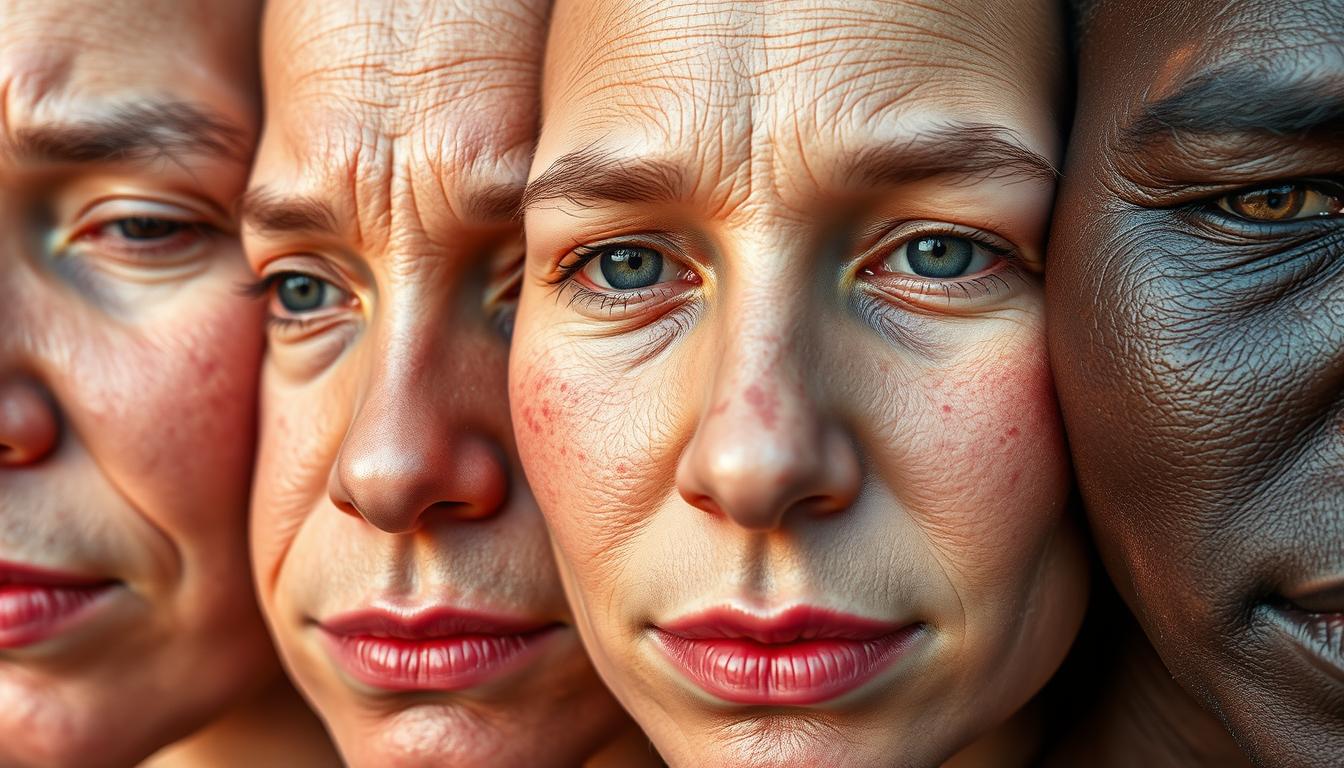
Your skin is more than just a protective layer. It’s a window into your overall well-being. Every blemish, rash, or discoloration can provide valuable insights into your internal health. As a vital organ, your skin reflects the delicate balance of your body’s systems, serving as a canvas for the story of your wellness.
Understanding the connection between skin and health is crucial. It helps maintain optimal skin health and identifies potential underlying issues. By recognizing the signs and symptoms that manifest on your skin, you can empower yourself to make informed decisions about your overall health and well-being.
Dermatology, the medical specialty dedicated to the study and treatment of skin, hair, and nails, plays a pivotal role. Experienced dermatologists can often detect early warning signs of larger health concerns. They guide you towards the appropriate course of action.
Maintaining a consistent skincare routine tailored to your individual needs is also crucial. By nourishing and protecting your skin, you can not only enhance its appearance. You also support the body’s natural functions and resilience.
Understanding the Connection Between Skin and Health
The skin is our body’s largest organ. It shows us how well we’re doing inside. Skin problems can tell us a lot about our health. This makes us appreciate how important skin health is for our overall well-being.
How Skin Reflects Internal Conditions
The skin works closely with our body’s systems. Issues like acne, eczema, and psoriasis can hint at bigger health problems. For example, constant acne might mean hormonal issues. Dry skin could suggest a lack of nutrients or thyroid problems.
Key Factors Affecting Skin Health
Keeping our skin healthy is a balance of many things. What we eat greatly affects our skin. Eating right is key to a good skin look. Also, staying hydrated keeps our skin young and flexible.
But, things like the sun and pollution can harm our skin. So, we need to protect it.
Knowing how our skin relates to our health helps us take care of it better. A holistic approach to skin health, dermatology, and hydration helps us feel our best. It leads to a vibrant and balanced life.
Common Skin Issues and Their Health Implications
Our skin shows our health. Common skin problems can tell us about bigger health issues. Knowing how skin health relates to overall well-being is key for a glowing complexion.
Acne: More Than Just a Teenage Problem
Acne is not just for teens. It can hit anyone. It’s not just about looks; it can signal hormonal or digestive problems, or stress. Getting the right Acne Treatment and Dermatology advice is vital to fix the issue and avoid lasting damage.
Eczema and Its Underlying Causes
Eczema is a chronic skin issue that shows a weak immune system or allergies. People with eczema might also have asthma or hay fever. Dermatology help can find and manage eczema’s causes, improving Skin Health and overall health.
Psoriasis: A Sign of Systemic Issues
Psoriasis is a chronic autoimmune disease that shows up on the skin. It often points to bigger health problems like arthritis, heart disease, or cancer. Dermatology experts can help tackle psoriasis’s Skin Health effects and find related health issues.
Understanding the link between skin issues and health helps us take care of our skin. It leads to better Acne Treatment, Dermatology care, and overall Skin Health.

The Role of Nutrition in Skin Health
Healthy, glowing skin is not just about skincare products. It’s also about what you eat. Eating right is key to radiant skin and overall Skin Health.
Essential Nutrients for Healthy Skin
Some nutrients are super good for your skin. Vitamins C and E are antioxidants that protect skin cells and boost collagen. This keeps your skin looking young and smooth. Omega-3 fatty acids in foods like salmon and walnuts also help with skin hydration and reduce inflammation.
Hydration and Its Effects on Skin
Drinking enough water is vital for Skin Health. It keeps your skin cells hydrated and helps remove toxins. Adding Natural Skincare Products can also boost your skin’s hydration and nourishment.
Eating a balanced diet and staying hydrated supports your skin’s natural glow. This approach combines good nutrition with targeted skincare for the best Skin Health.
The Impact of Stress on Skin Health
Stress is a big part of our lives today. But did you know it can harm your Skin Health? Stress hormones like cortisol can cause skin problems. It’s important to know how stress affects your skin to keep it healthy and glowing.
Stress Hormones and Skin Reactions
When you’re stressed, your body makes hormones like cortisol to help. But too much of these hormones can hurt your skin. Cortisol can make your skin produce more oil, causing acne and clogged pores.
It can also make your skin inflamed, making conditions like eczema and psoriasis worse.
Managing Stress for Better Skin
There are ways to handle stress and improve your skin. Stress-reducing activities like meditation, deep breathing, or exercise can help. They can lower stress hormones and make your skin better.
Also, getting enough sleep, eating well, and taking care of yourself can make your skin healthier and more radiant.

By understanding how stress affects your skin and managing it, you can keep your skin healthy and glowing. Enjoy the benefits of a balanced Skincare Routine.
Sun Protection and Skin Integrity
Keeping your skin healthy is key, and protecting it from the sun is a big part of that. Sun exposure can cause wrinkles, premature aging, and even skin cancer. It’s important to understand these risks and take steps to protect your skin.
UV Damage and Long-Term Health Risks
UV rays from the sun can harm your skin deeply. They can cause age spots, wrinkles, and even skin cancer. To keep your skin healthy, it’s crucial to shield it from these dangers.
Choosing the Right Sunscreen
Choosing the right sunscreen is your first defense against the sun. Look for a broad-spectrum sunscreen with at least SPF 30. Also, pick a type that fits your skin and lifestyle for the best protection.
The Importance of Sleep for Skin Health
Getting radiant, youthful-looking skin is more than just your Skincare Routine. Sleep quality is key for Skin Rejuvenation. Good sleep keeps your skin healthy and full of life.
How Sleep Deprivation Affects Your Skin
Not enough sleep puts your body in stress mode. This leads to cortisol release, harming your Skin Health. It causes inflammation, acne, and early aging by slowing down skin repair.
Tips for Improving Sleep Quality
For the best skin, focus on good sleep habits. Aim for 7-9 hours each night. Make your bedroom cool, dark, and quiet. Avoid screens before bed and have a calming routine to relax.
Quality sleep leads to the glowing skin you want. Remember, Skin Health and Rejuvenation depend on overall well-being. Sleep is essential for this balance.
Hormonal Changes and Skin Alterations
Our skin shows our overall health. Hormonal changes can greatly affect how it looks and feels. Knowing how hormones and Skin Health are connected is key to keeping our skin looking young and healthy.
The Effects of Menopause on Skin
Menopause brings a drop in estrogen and progesterone levels. This can cause dry skin, more wrinkles, and less elasticity. Women going through menopause might also see their skin thinning, making it easier to bruise.
Using Anti-Aging Skincare and adding nourishing ingredients can help. These steps can keep your skin looking healthy and vibrant.
Hormonal Imbalances and Acne
Hormonal shifts, like during puberty or menstrual cycles, can lead to Acne Treatment. Changes in hormones like testosterone and estrogen can cause more oil, clogged pores, and inflammation. This is what leads to acne.
Knowing why acne happens can help find the right treatments. This might include special skincare products or medical help. It’s all about getting clear, healthy-looking skin.
Understanding the link between our hormones and skin is important. By knowing this, we can take care of our skin better. This way, we can keep our skin looking young and radiant at any stage of life.
Lifestyle Choices That Affect Skin Health
Our skin shows how well we take care of ourselves. What we do every day can really affect its health and look. Smoking and drinking too much alcohol are two big factors that can harm our skin.
Smoking and Its Detrimental Effects
Smoking speeds up skin aging. The chemicals in smoke damage collagen and elastin, causing wrinkles and sagging. It also cuts off blood flow, making the skin look pale and unhealthy.
Alcohol Consumption and Skin Aging
Drinking too much alcohol can also harm your skin. It makes the skin dry and less radiant. Plus, it can break down collagen, making the skin look older and less elastic.
Choosing a healthier lifestyle, like quitting smoking and drinking less, can greatly improve your skin. By focusing on Skin Health and using Anti-Aging Skincare, you can keep your skin looking young and firm for years to come.

The Benefits of Regular Skin Care Routines
Keeping up with a skincare routine is key for healthy, glowing skin. It helps you create a routine that works for you. Learning about cleansing and moisturizing is also important.
Building a Personalized Skin Care Regimen
Everyone’s skin is different. That’s why a generic skincare plan doesn’t work for everyone. By making a routine just for you, you can tackle your specific skin issues. This way, you use products that match your skin perfectly.
The Science Behind Cleansing and Moisturizing
Cleansing and moisturizing are the basics of a good skincare routine. Cleansing gets rid of dirt, oil, and other stuff that clogs your pores. Moisturizing keeps your skin hydrated and nourished. Knowing how these steps work can help you choose better products for your skin.
Skin Health and Aging: What to Expect
As we get older, our skin changes. Knowing how it ages and using anti-aging skincare can keep it firm. This helps us look younger and more refreshed.
Understanding the Aging Process
Skin aging happens naturally. It’s influenced by our genes and hormones, leading to less firm skin. Things like sun damage, pollution, and our lifestyle choices make aging signs worse.
Effective Anti-Aging Strategies
There are many ways to fight skin aging. Using top-notch moisturizers, serums, and treatments with retinoids, antioxidants, and peptides helps. These ingredients boost skin rejuvenation and reduce wrinkles and age spots.
Exercising, eating well, and managing stress also help. A healthy lifestyle keeps our skin looking young. By taking care of our skin, we can age beautifully.

Monitoring Skin Changes: When to See a Doctor
It’s important to watch your skin closely for your health. Many changes are okay, but some need a doctor’s attention. A dermatologist is a skin care expert.
Recognizing Warning Signs
Look out for odd moles, color or shape changes, lasting rashes, or skin spots. These might mean skin cancer or other serious issues. Also, watch for sudden skin texture, dryness, or color changes.
The Importance of Regular Skin Checks
Regular skin checks are key for your skin health. Do self-exams every month and get a full-body check once a year from a dermatology expert. Early detection and treatment can prevent serious skin conditions.