
























Keeping your blood pressure healthy is key for your heart’s health. Luckily, you can use natural ways to control high blood pressure and boost your health. This guide will show you how to make lifestyle changes, eat right, and use other methods to manage your blood pressure without just taking medicine.
By changing a few things in your daily life, you can help control your blood pressure and lower your risk of heart problems. You’ll learn about eating better and managing stress in this detailed guide. It’s all about taking care of your heart health in a natural way.
Understanding Blood Pressure
Blood pressure is a key vital sign. It shows the force of blood against the artery walls as it moves through the body. Knowing what blood pressure is and what affects it is key for heart health.
What is Blood Pressure?
Blood pressure is measured in millimeters of mercury (mmHg). It has two numbers: systolic and diastolic. Systolic pressure is when the heart contracts. Diastolic pressure is when it relaxes.
Factors Affecting Blood Pressure
Many things can change your blood pressure. These include your age, genes, lifestyle, and health. High blood pressure, or hypertension, can come from being inactive, eating too much salt, drinking too much alcohol, or chronic stress.
On the other hand, regular exercise, eating lots of fruits and veggies, and managing stress can lower blood pressure.
It’s important to watch and understand what affects blood pressure. This helps keep your heart and cardiovascular system healthy. High blood pressure can lead to serious issues like heart disease, stroke, and kidney damage.
Lifestyle Modifications for Natural Blood Pressure Management
Managing your blood pressure naturally is possible with lifestyle changes. By adjusting your daily habits, you can control your hypertension without just using medicine. Let’s look at the main lifestyle changes that can lower your blood pressure and boost your heart health.
Reducing sodium intake is a big step. High sodium can raise blood pressure. So, eating fewer processed foods, canned goods, and using less table salt helps a lot. Eating more fresh, whole foods is a smart way to keep your blood pressure in check.
Regular exercise is key for managing blood pressure naturally. Activities like brisk walking, swimming, or cycling improve your heart health. Resistance training, such as weightlifting, also helps by making your muscles stronger and boosting your overall fitness.
Stopping smoking and drinking less alcohol are also vital for blood pressure control. Smoking and too much alcohol harm your heart. Cutting down or quitting these habits can lower your blood pressure.
Adding stress-reducing activities to your day can greatly help with blood pressure. Techniques like meditation, yoga, deep breathing, or just relaxing can lower stress and your blood pressure.
By making these lifestyle changes, you can play a big part in managing your blood pressure without just using medicine. Remember, small, lasting changes can greatly improve your health and happiness.
Dietary Approaches to Lower Blood Pressure
What we eat can greatly affect our blood pressure. Studies show that choosing foods wisely can help manage high blood pressure. The DASH diet and reducing sodium intake are two effective ways to lower blood pressure.
DASH Diet for Hypertension
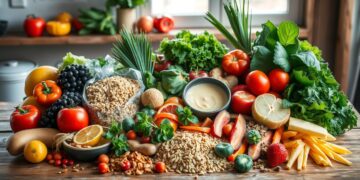
The DASH diet is a proven plan for people with high blood pressure. It focuses on fruits, vegetables, whole grains, low-fat dairy, and lean proteins. It’s full of potassium, calcium, and magnesium, which help lower blood pressure.
By eating this way, people can control their diet for high blood pressure. It also helps keep the heart healthy.
Sodium Reduction
Lowering sodium intake is key for a low-sodium diet with hypertension. Too much sodium can make high blood pressure worse. By eating less sodium, people can lower their blood pressure and reduce health risks.
The goal is to eat less than 2,300 milligrams of sodium a day. For those with high blood pressure or heart concerns, aim for 1,500 milligrams.
Combining the DASH diet with a low-sodium approach helps manage blood pressure naturally. Making smart food choices and eating less sodium are big steps towards a healthier heart and less hypertension risk.

Exercise and Physical Activity
Regular exercise and physical activity are key to managing blood pressure naturally. Both aerobic exercise and resistance training help lower and keep blood pressure healthy.
Aerobic Exercise
Aerobic activities like brisk walking, jogging, swimming, or cycling are great for lowering blood pressure. These exercises boost your heart rate and strengthen your heart. This helps lower blood pressure by making your blood vessels stronger.
Aim for 30 minutes of moderate-intensity aerobic exercise most days. This will help your blood pressure the most.
Resistance Training
Strength training and resistance exercises are also important for managing blood pressure. Activities like weight lifting, bodyweight exercises, or resistance band workouts build muscle and improve heart health. Doing resistance training two to three times a week can help your blood pressure.
Combining aerobic and resistance training in your routine can lower your blood pressure and boost your heart health. Always talk to your doctor before starting a new exercise plan, especially if you have health issues.
Stress Management Techniques
Managing stress is key to keeping your blood pressure healthy. Stress can hurt your heart health, making your blood pressure go up. Luckily, there are many ways to reduce stress and help your blood pressure.
Mindfulness and meditation are great for this. They help you calm your mind and focus on now. This can lower your heart rate and muscle tension. Studies show they help with stress reduction for blood pressure and relaxation techniques for hypertension.
Deep breathing is another good method for managing stress and blood pressure. Slow, deep breaths can calm you down. This activates your body’s rest response, lowering your blood pressure and making you feel calm.
Yoga is also worth trying. It mixes physical moves, breathing, and meditation. These can help lower stress and improve your heart health. Regular yoga can make you feel better mentally and physically.
Cognitive-behavioral strategies are useful too. They help you change negative thoughts into positive ones. This can lessen the stress impact on your body and help you handle tough times better.
Using different stress management methods daily can greatly help your blood pressure health and overall well-being. Whether you like mindfulness, deep breathing, yoga, or cognitive-behavioral techniques, finding what suits you best is key. It can really help you manage stress and keep your blood pressure in check.
Weight Management Strategies
Keeping a healthy weight is key to managing blood pressure. Being overweight, especially around the midsection, raises your risk of high blood pressure. By keeping a healthy body mass index (BMI), you can help control your blood pressure and lower the risk of obesity-related health issues.
Achieving a Healthy Weight
There’s a strong link between losing weight and lowering blood pressure. Even a small weight loss can make a big difference in your blood pressure. To stay at a healthy weight, eat a balanced diet and exercise regularly.
A healthy BMI is between 18.5 and 24.9. If your BMI is higher, set realistic weight loss goals. Work towards a healthy BMI slowly. Talk to a healthcare professional or dietitian to get a plan that fits your needs and health.

Don’t think of weight loss as quick fixes. Focus on making slow, steady changes to your eating and exercise habits. This approach helps you keep up your progress over time. Celebrate your small wins and be kind to yourself if it takes time. With time and effort, you can meet your weight goals and enjoy better blood pressure levels.
Health and Well-being
Keeping your health in check is key to managing your blood pressure naturally. By changing your lifestyle in a holistic way, you can boost your heart health. This helps you work towards lowering your blood pressure.
Getting enough sleep is crucial for your blood pressure. Try to sleep 7-9 hours each night. Not sleeping well can raise your blood pressure. Drinking enough water is also important. It keeps your blood flowing well and helps control your blood pressure.
Feeling happy and managing stress is good for your heart. Doing things like meditation, yoga, or deep breathing can lower your blood pressure. These activities help you feel better overall.
Working on these lifestyle changes can help you manage your high blood pressure better. By focusing on your lifestyle and heart health, you can improve how well you control your blood pressure. This supports your overall health and blood pressure goals.
Herbal Remedies and Supplements
Herbal remedies and supplements can help manage blood pressure naturally. Let’s look at garlic and omega-3 fatty acids. They are two options that could support heart health.
Garlic
Garlic is common in many dishes and is known for its health benefits. It might help widen blood vessels and improve blood flow. This could lower blood pressure.
Studies show that taking garlic regularly might lower blood pressure. This is true for people with high blood pressure.
Omega-3 Fatty Acids
Omega-3 fatty acids are found in fatty fish and fish oil supplements. They are good for the heart. These nutrients can improve blood vessel function and reduce inflammation.
This can help lower blood pressure. Studies show that eating foods rich in omega-3 or taking supplements can help. This is especially true for people with high blood pressure.
When thinking about herbal remedies and supplements for blood pressure, talk to a doctor first. They can make sure they’re safe and right for you. It’s important to know the right amount to take and watch for any side effects. Adding these natural options to your health plan can help keep your heart healthy.
Monitoring Blood Pressure at Home
Checking your blood pressure at home is key to managing it well. By tracking your readings, you can keep an eye on your heart health. This helps you and your doctor make better choices about your care and lifestyle changes.
Choosing the right device for home blood pressure monitoring is crucial. Make sure it’s approved by trusted groups like the American Heart Association or the European Society of Hypertension. These devices give you accurate readings you can rely on.
After getting the right monitor, learn how to use it correctly. This means placing your arm right, sitting calmly, and taking readings at various times. Doing this helps you understand your blood pressure better and spot any changes.
Regular blood pressure checks are very important. By tracking your readings at home, you can work with your doctor to adjust your treatment. You can also make lifestyle changes to keep your blood pressure healthy. This way, you take charge of your heart health.
When to Seek Medical Advice
Natural methods can help manage blood pressure well. But sometimes, you need to see a doctor. This is true if your blood pressure stays high even with natural efforts.
If you feel dizzy, have chest pain, or feel short of breath, get help right away. These symptoms mean you should see a doctor fast.
Talk openly with your doctor about how you’re managing your blood pressure naturally. This helps your doctor create a plan that uses both natural and medical ways. You can check how you’re doing, change your plan if needed, and keep your health in check.
Managing high blood pressure takes teamwork between you and your medical team. Using natural ways and medical help can lower your blood pressure and reduce health risks. Always get medical advice when you need it – it’s key for good heart health.