


















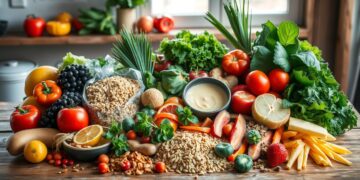







Eating a balanced diet is key to feeling good overall. What we eat feeds our bodies and affects our mind, emotions, and health. It gives us the nutrients we need and helps with energy and weight control.
This guide will look at how diet and wellness are connected. We’ll talk about what makes a healthy diet, how food affects our energy, and why taking care of our whole health is important.
Want to improve your health, manage a condition, or just feel better every day? Knowing how diet helps is a big step. Let’s start a journey to learn how nutrition can make you healthier and happier.
Nutrition: The Foundation of Health
Nutrition is key to feeling good. It gives your body the nutrients it needs to work right. Knowing about macronutrients and micronutrients helps you make healthy choices.
Macronutrients: Proteins, Carbohydrates, and Fats
Macronutrients include proteins, carbohydrates, and fats. Your body needs these in big amounts. Proteins fix and build cells. Carbs give you energy for your muscles and brain. Fats are important for making hormones, absorbing nutrients, and keeping cells healthy.
Micronutrients: Vitamins and Minerals
Micronutrients like vitamins and minerals are vital for many body functions. Vitamins help with metabolism, fighting off sickness, and keeping organs healthy. Minerals like calcium, iron, and magnesium are key for strong bones, carrying oxygen, and nerves working right. Eating a variety of foods rich in nutrients makes sure you get all you need.
Knowing about macronutrients and micronutrients helps you eat well. Eating foods full of nutrients is the best way to be healthy.
Balancing Your Diet for Optimal Wellness
A balanced diet is key to feeling good overall. Eating a mix of nutrient-rich whole foods helps your body work right and keeps you healthy. It’s all about getting the right mix of proteins, carbs, and fats, and eating a variety of fruits, veggies, and other healthy foods.
Getting the right amount of macronutrients is crucial. Try to eat about 20-30% protein, 40-60% complex carbs, and 20-30% healthy fats. These ratios can change based on your lifestyle and health goals. Eating nutrient-dense whole foods gives you the building blocks for great health and wellness.
It’s also vital to eat foods from many groups to get all the vitamins and minerals you need. Aim for a diet full of colorful fruits and veggies, whole grains, lean proteins, and healthy fats. This mix makes your meals balanced and nutritious.
Eating a diet full of whole foods supports your body’s natural health. It helps keep your energy up and lowers the risk of diseases. This way of eating is key to feeling your best and staying healthy.
The Impact of Diet on Energy Levels
Your diet is key to keeping your energy up all day. The food you eat greatly affects your energy, both physically and mentally. Eating foods full of nutrients helps you stay energetic and healthy.
Nutrient-Dense Foods for Sustained Vitality
To keep your energy up, eat a mix of foods full of nutrients. These foods have vitamins, minerals, and nutrients that fuel your body and mind. Great choices include whole grains, lean proteins, fruits, vegetables, and healthy fats.
Whole grains like quinoa, brown rice, and whole wheat give you complex carbs. These carbs are digested slowly, giving you energy over time. Lean proteins from chicken, fish, and beans help your muscles work and repair. This keeps you active and full of energy.
Fruits and vegetables are full of vitamins and minerals. They boost your energy and help your immune system. Healthy fats in avocados, nuts, and olive oil give you lasting energy and support your brain.
Eating these nutrient-rich foods makes a big difference in your energy. It helps your overall health and energy levels.

Diet and Weight Management
A balanced diet is key to managing weight and staying healthy. Eating right not only makes you look good but also boosts your energy, mood, and health. It helps prevent diseases too.
For successful weight management, focus on a diet that fits your lifestyle. Eat foods rich in nutrients to get the right balance of proteins, carbs, fats, vitamins, and minerals. This supports your health and helps you reach your weight goals.
Controlling how much you eat is also vital. Eating the right amounts of different foods can help you lose weight. Adding regular exercise, like cardio and strength training, makes your diet work even better for keeping a healthy weight.
Stick to a diet rich in nutrients, watch your portion sizes, and exercise regularly. This approach can greatly improve your energy, mood, and long-term health. A balanced diet and lifestyle can change your life for the better.
Wellness: More Than Just Physical Health
When we think of wellness, we often focus on physical health. This includes eating right, staying active, and caring for our bodies. But, wellness is more than just being healthy physically. It’s about connecting our physical, mental, emotional, and spiritual health.
Embracing a Holistic Approach to Wellness
Seeing wellness as a whole means understanding how everything is connected. Our physical health affects our mental and emotional states. And our mental and emotional health can change how we feel physically. This way, we see how different parts of our life work together for our wellness.
Starting a holistic wellness journey starts with what we eat. Eating well feeds not just our bodies but also our minds and spirits. Some foods help our brain work better, improve our mood, and boost our spiritual connection. Eating right helps us live a balanced life.
Everyone’s path to wellness is different. It depends on their life, values, and goals. By looking at wellness as a whole, we find new ways to care for ourselves. This helps us live a life that’s truly fulfilling.
Gut Health: The Cornerstone of Overall Wellness
Your gut health is key to your overall wellness. The gut microbiome, full of microorganisms, keeps you physically, mentally, and emotionally healthy. Knowing how important gut health is, you can help your microbiome and feel better.
What you eat affects your gut health a lot. Foods can either help or harm your gut’s balance. Eating foods like fermented items, fiber-rich fruits and veggies, and probiotics can boost your gut health and wellness.

Probiotics, found in fermented foods and supplements, are vital for digestion and microbiome health. They add good bacteria to your gut. This helps your immune system, nutrient absorption, and even your mood.
Putting diet and gut health first is key for overall wellness. Eating right and using probiotics can make your microbiome thrive. This supports your physical, mental, and emotional health fully.
Wellness and Chronic Disease Prevention
Keeping a healthy lifestyle is key for feeling good and staying healthy. It also helps prevent chronic diseases. Eating right is a big part of this. By eating well, people can lower their risk of heart disease, diabetes, and some cancers.
Dietary Strategies for Reducing Risk Factors
Eating right is a top way to avoid chronic diseases. Foods full of antioxidants, fiber, and healthy fats are good choices. Eating lots of whole grains, fruits, and veggies can lower heart disease and cancer risk.
It’s also good to eat less processed foods, sugary drinks, and foods high in saturated fats. These choices can help prevent type 2 diabetes and other metabolic issues. By picking what we eat carefully, we help our health and prevent chronic diseases.
Looking at wellness as a whole means thinking about diet, exercise, and managing stress. This approach helps fight chronic diseases. By focusing on all these health areas, people can keep feeling great and avoid serious health problems.
The Role of Mindful Eating in Wellness
Mindful eating is a key part of wellness. It means eating with full attention, noticing the taste, texture, and feel of each bite. This way of eating helps our body, mind, and emotions.
By eating mindfully, we get to know our body’s hunger and fullness signals better. This helps us eat without overeating. It leads to a healthier food relationship, better digestion, and feeling more satisfied with our meals.
Mindful eating makes us enjoy our food more. We slow down and really taste and smell our food. This makes eating more enjoyable and fulfilling.
Adding mindful eating to our wellness routine helps us in many ways. It brings calm, focus, and happiness into our lives. Mindful eating is great for a balanced lifestyle.
Navigating Dietary Trends and Fads
In the world of wellness, new diets and trends pop up all the time. From keto to paleo, and intermittent fasting to clean eating, it’s hard to keep up. But it’s important to be careful and choose wisely.
What works for one person might not work for another. So, it’s key to look at diets based on science, your own needs, and if they can last long. Fad diets promise quick weight loss or health miracles but often lack real science to back them up. They might even harm your health.
So, aim for a balanced diet that fits your life and goals. Look for trustworthy sources of info, talk to health experts, and try different things to see what works best for you. By choosing sustainable eating habits, you can really benefit from food. It can boost your wellness, energy, and overall life quality.